You do not need a university boathouse story or a decade of fitness behind you to start rowing. Clubs around the world run beginner courses for adults in their thirties, fifties and beyond, and plenty of the steadiest people on the water took their first strokes long after school. What rowing asks for is patience and a willingness to be a beginner again in public — a boat wobbles, oars splash, and that is normal.
Here is what the first months actually look like, from picking a club to learning the sequence of the stroke to staying safe when the weather turns.
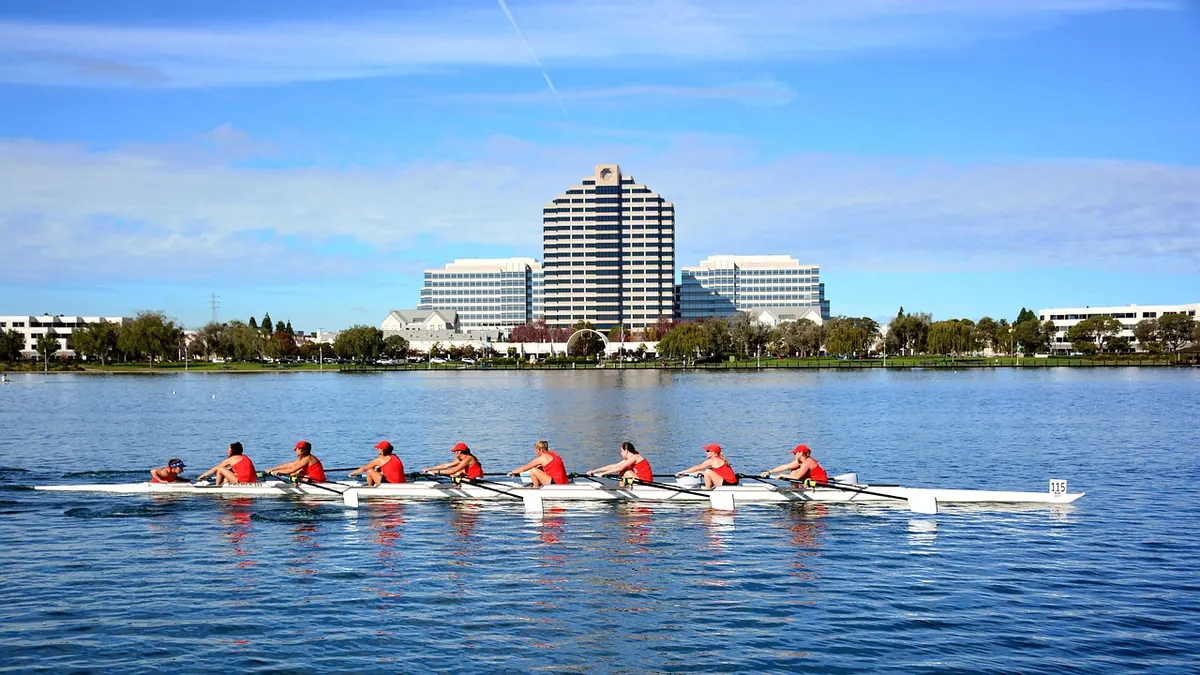
Rowing splits into two disciplines. In sculling you hold two oars, one in each hand, and row in singles, doubles or quads. In sweep rowing you hold one oar with both hands and row in pairs, fours or eights, with each rower on either the port or starboard side. Most adult beginners start with sweep in a stable boat because the boat does more of the balancing for you, then try sculling later.
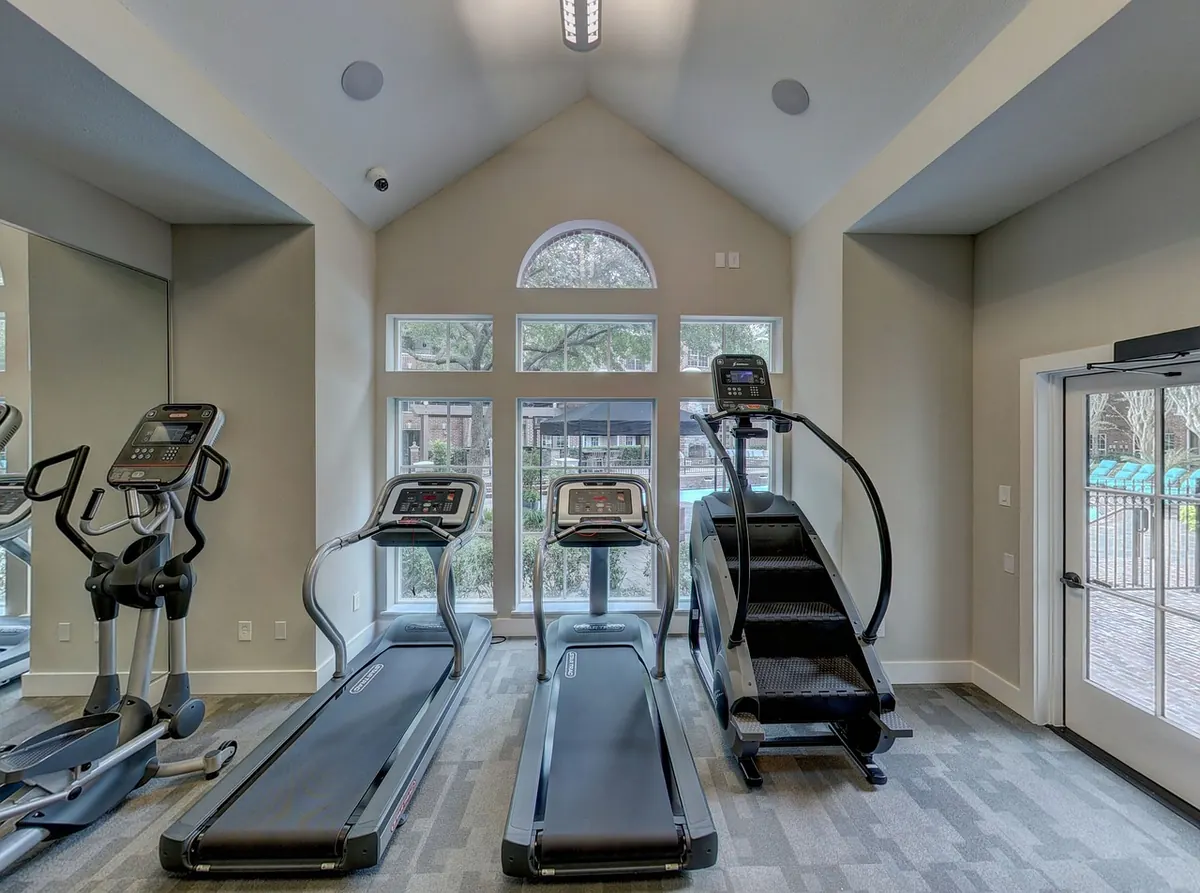
You will also spend time on an indoor rowing machine, often called an erg. It is not the same as being on the water, but it teaches the sequence without the balance problem. Expect a learn-to-row course to run over several weeks, meeting once or twice weekly, with a coach on the water and on land.
Proximity beats prestige. A club fifteen minutes away that you will visit twice a week will do more for you than an elite program an hour's drive away that you visit twice a season. Visit on a training morning, watch a session from the bank, and ask to speak to people who started recently rather than the fastest rowers in the boathouse.
Questions worth asking before you hand over any money:
If a club cannot answer those plainly, keep looking. A good program is honest about how much time and money it expects from you.
The first session is usually land-based: an erg, a stretch, a talk about terminology and safety. The second may put you in a wide training boat with three other beginners and a coach. You will be asked to do very little at first — a few strokes at a time while the boat sits still, then longer pieces once you can hold your blade at the right depth.
Wear fitted layers you can move in and nothing loose or dangling that can catch in a sliding seat. Bring a water bottle, a hat for sun, a change of clothes in case you get wet, and tape or plasters for your hands. Do not buy expensive kit yet. Blisters in the first fortnight are close to universal; they harden into calluses if you let them heal between sessions.
Every stroke has four parts, and they happen in the same order whether you are on the water or on an erg: catch, drive, finish, recovery. The drive is where you do the work, and it is done with the legs first.
The most common fault is using the arms too early — pulling before the legs have done their share. The second is shooting the slide: the seat races forward at the catch without the blade ever getting a grip. The third is rushing the recovery, which throws the boat off balance and leaves you with no time to place the blade.
Coaches usually ask for a recovery roughly twice as long as the drive. If that feels slow, you are probably doing it right.
Rowing is a safe sport when it is done with a club, in daylight, and with other people nearby. It stops being safe when any of those three are missing. Before your first outing, be honest about your swimming ability and get comfortable with the idea of ending up in the water; a capsize drill is unpleasant for ten seconds and valuable for years.
Lifejacket and buoyancy aid rules vary by country and even by waterway, so check local regulations rather than assuming. If you have a heart condition, a history of back injury, or any doubt about whether an endurance sport is right for you, speak to a doctor before you start.
A short glossary saves a lot of confusion in week one. Shell is the boat. Bow is the front, stern the back, and the rower nearest the stern is usually the one setting the rhythm. Port is the rower's left, starboard the right. Rating or stroke rate is how many strokes you take per minute. Coxswain is the person steering and coaching from the boat. Way enough means stop rowing and let the boat run. Feathering is turning the blade flat on the recovery to reduce wind resistance.
Week one: email or call two clubs and watch one session in person. Week two: book a learn-to-row course or a taster session, and set aside two fixed slots in your week. Weeks three and four: turn up to everything, ask questions, and resist the urge to fix your own technique from videos. Weeks five and six: ask your coach what you should be working on, and whether a single or a double with a more experienced rower is realistic yet.
Then keep showing up. Progress in rowing is not linear — you will have a session where the boat feels like it is moving under someone else's power, followed by a week of splashing. That is the normal shape of it. Book the next session before you leave the boathouse, and the habit does the rest.
Photo: Ralf1403 / Pixabay